
Exploring the Fascinating World of Soldit: Engaging Gaming Experience for PH Bet Enthusiasts
Soldit captivates gamers with its strategic gameplay and immersive experience, becoming even more relevant amidst current global gaming trends.


The vibrant and enthralling tradition of Sabong games has roots that go deep into history, captivating spectators with its intensity and cultural significance. Known commonly as cockfighting, the sport has maintained a strong presence within various communities, particularly in the Philippines. It’s here that the term "ph bet" often revolves, highlighting the country's enthusiastic participation in these traditional contests.
Sabong has been a part of cultural expressions in many societies around the world, notably in Asia, Africa, and Latin America. Its formal roots within Filipino culture date back to more than a thousand years when early settlers engaged in these events for entertainment and social bonding. Over time, these customs solidified into a national spectacle—a powerful reflection of local traditions.
The game typically involves two roosters placed in a circular arena, fighting until one is unable to continue. These contests draw significant crowds, each person eager to place their "ph bet" on which rooster will emerge victorious. Practitioners and enthusiasts argue that these events are a blend of sport, tradition, and popular culture.
The game begins with careful preparation, where participants carefully select roosters that show superior strength, agility, and fighting spirit. These roosters are often bred and trained specifically for competition. Alongside their owners, they undergo rigorous training regimes that are designed to heighten their combat abilities.
As the event progresses, each match is prefaced by the weighing of roosters and some ceremonial acts. Throughout the fight, various strategic elements are at play, with handlers guiding their roosters into advantageous positions. Competitors place great their hopes and bets, labeled as "ph bet", on these expertly trained birds.
In the Philippines, Sabong is more than just a game—it's an event that forges community ties and celebrates cultural heritage. These events symbolize a gathering point for individuals from diverse backgrounds, fostering interaction and shared excitement. Debates often arise around the ethics of these matches due to the risks involved for the animals, and yet, the cultural importance remains significant to many Filipinos.
Economically, Sabong plays a vital role within local communities. Betting, or placing a "ph bet", is a critical element that drives the sport's economy. It can provide financial opportunities and supplement incomes for those involved. Moreover, associated industries such as poultry farming, equipment manufacturing, and arena maintenance flourish around the ongoing demand.
The term "ph bet" reflects the fervent enthusiasm with which Filipinos engage in Sabong. Betting on the outcome is a key feature—not only does it add to the thrilling atmosphere, it also makes the community experience more engaging. Many locals see their participation through placing a "ph bet" as a tradition passed down through generations, maintaining a familial bond with the sport.
Online platforms are increasingly experiencing an uptick in people wanting to place their "ph bet" on Sabong games from anywhere. This modern twist allows a broader audience to partake in the traditional game, bringing it into the digital age without losing its historical foundation.
Despite its entrenched cultural position, Sabong faces a fair share of controversies. Advocacy groups have raised ethical concerns over animal welfare, arguing that the sport subjects animals to inhumane conditions. This has prompted debates about the sport's future and potential reforms, including whether the tradition of making a "ph bet" aligns with modern values.
The industry encounters challenges from legal and regulatory standpoints. In some regions, Sabong has been subject to bans, making its practice illegal due to animal rights concerns. This impacts local economies and forces stakeholders to seek new ways of sustaining an age-old pastime.
While challenges persist, the future of Sabong and the allure of placing a "ph bet" remain potent within its cultural heartland. Various discussions about regulation, humane practices, and modernization continue as the sport adapts to contemporary attitudes. Advocates for Sabong suggest balancing tradition with new welfare standards to preserve this vital cultural expression.
Additionally, with technology advancing, online betting for Sabong continues to gain traction, generating a new landscape for younger generations. By integrating digital platforms, enthusiasts who live far from physical arenas can still participate and place their "ph bet" live during the competitions, ensuring the continuation and evolution of Sabong in the global arena.
In conclusion, the Sabong arena is not just a battleground for roosters but a significant cultural institution that embodies the vibrancy of Philippine culture. As Sabong evolves and faces modern ethical challenges, the practice of placing a "ph bet" ensures that this traditional sport remains deeply rooted in the hearts of many, while also embracing modern innovations. The conversations around Sabong indicate a dynamic progression, striving to balance tradition with humane considerations in the years to come.
ph bet
If you're looking for a reliable, fully licensed, and secure sportsbook with a wide selection of games, ph bet is the perfect choice. We're committed to providing you with the best online betting experience, with premium quality, excellent service, and continuous innovation. Sign up now and receive ₱777 for free!
Join now
Get the latest information, experience and betting strategies from the expert team at ph bet.
Soldit captivates gamers with its strategic gameplay and immersive experience, becoming even more relevant amidst current global gaming trends.

An in-depth exploration of the game InvincibleElephant, its intriguing mechanics, and how it stands out in the rapidly evolving landscape of online betting, particularly in the Philippines.

Explore the exciting world of PirateChest, a betting game that's captivating players in the Philippines. Learn about its rules, unique features, and why it's gaining popularity in the current gaming landscape.
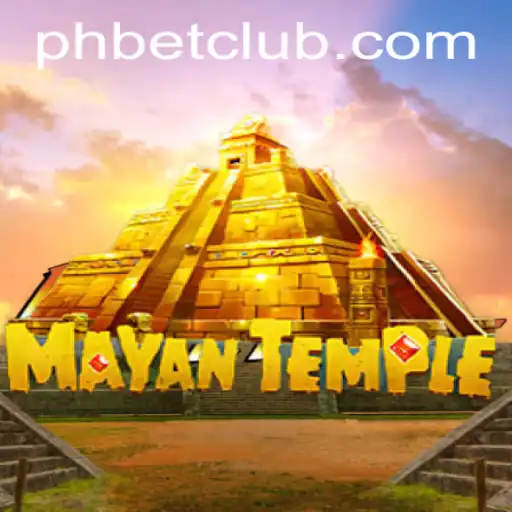
Dive into the depths of ancient civilizations with MayanTemple, a captivating game with rich storytelling and thrilling gameplay. Discover its rules and connections to current trends in the gaming industry.

Explore the captivating world of Pinkjoker, a game that combines excitement and strategy with the dynamic PH Bet landscape.

Explore the captivating universe of StarlightPrincess1000, a magical journey into whimsical realms with exciting gameplay and engaging rules. Discover how this game intertwines with current trends to captivate players worldwide.
 Join now